
Why you must schedule a sewer camera inspection before buying a Westminster home
Purchasing a residential property in Westminster represents a major life milestone and substantial financial investment. Ensuring that the home's unseen underground mechanical systems are structurally sound is critical to avoiding post-purchase financial shock. While prospective home buyers routinely commission general home inspections, standard inspectors rarely evaluate underground sewer laterals. In Westminster's aging 1950s and 1960s tract housing stock, hidden sewer lateral collapses and tree root intrusions frequently cost upwards of $8,000 to repair. Operating from our local Willow Lane shop, our master plumbers explain why a dedicated fiber-optic sewer camera inspection is essential before closing escrow.
The blind spot in standard home inspections: what home inspectors miss
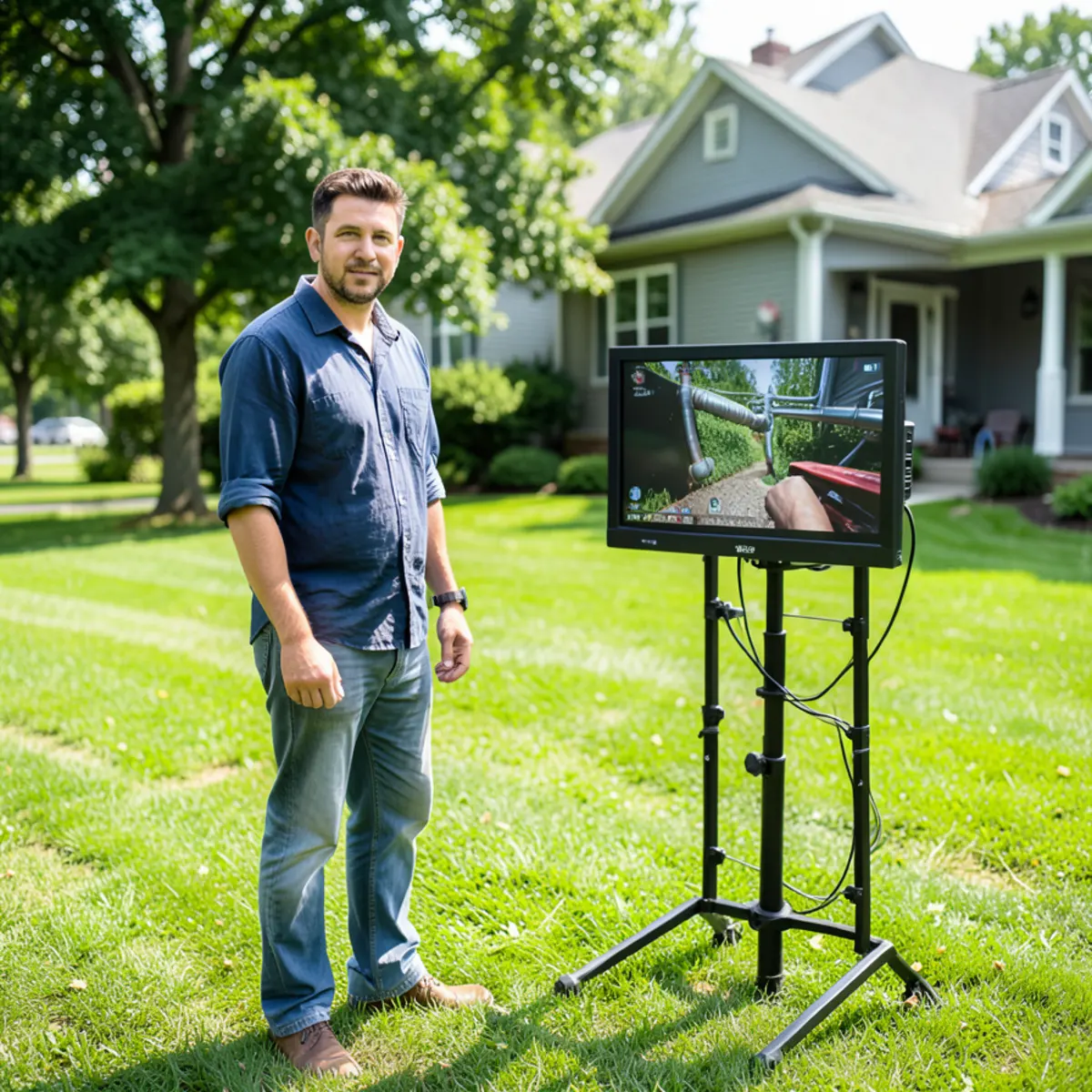
When purchasing a home in Westminster, buyers typically hire a certified general home inspector to evaluate the property. Standard home inspection standards of practice require inspectors to flush toilets, run water in faucets, and visually inspect accessible pipes under sinks and around water heaters. However, standard home inspectors do not carry specialized fiber-optic sewer cameras and do not inspect underground sewer laterals running from the foundation to the municipal street connection. Their visual scope of practice is strictly limited to visible above-ground pipes and fixture operation. An underground sewer lateral can be on the verge of complete structural collapse without showing any visible warning symptoms during a superficial ten-minute home inspection walk-through. If a toilet flushes normally during a brief 10-minute walk-through, the general inspection report will note the plumbing system as 'functional.' In reality, underground clay pipes may be 80% choked with tree roots, cracked by soil settlement, or partially collapsed—defects that only manifest when a family moves in and begins running heavy daily laundry and shower loads. A dedicated sewer camera inspection is the only way to inspect these concealed underground lines.
Westminster's vintage vitrified clay and cast iron sewer infrastructure
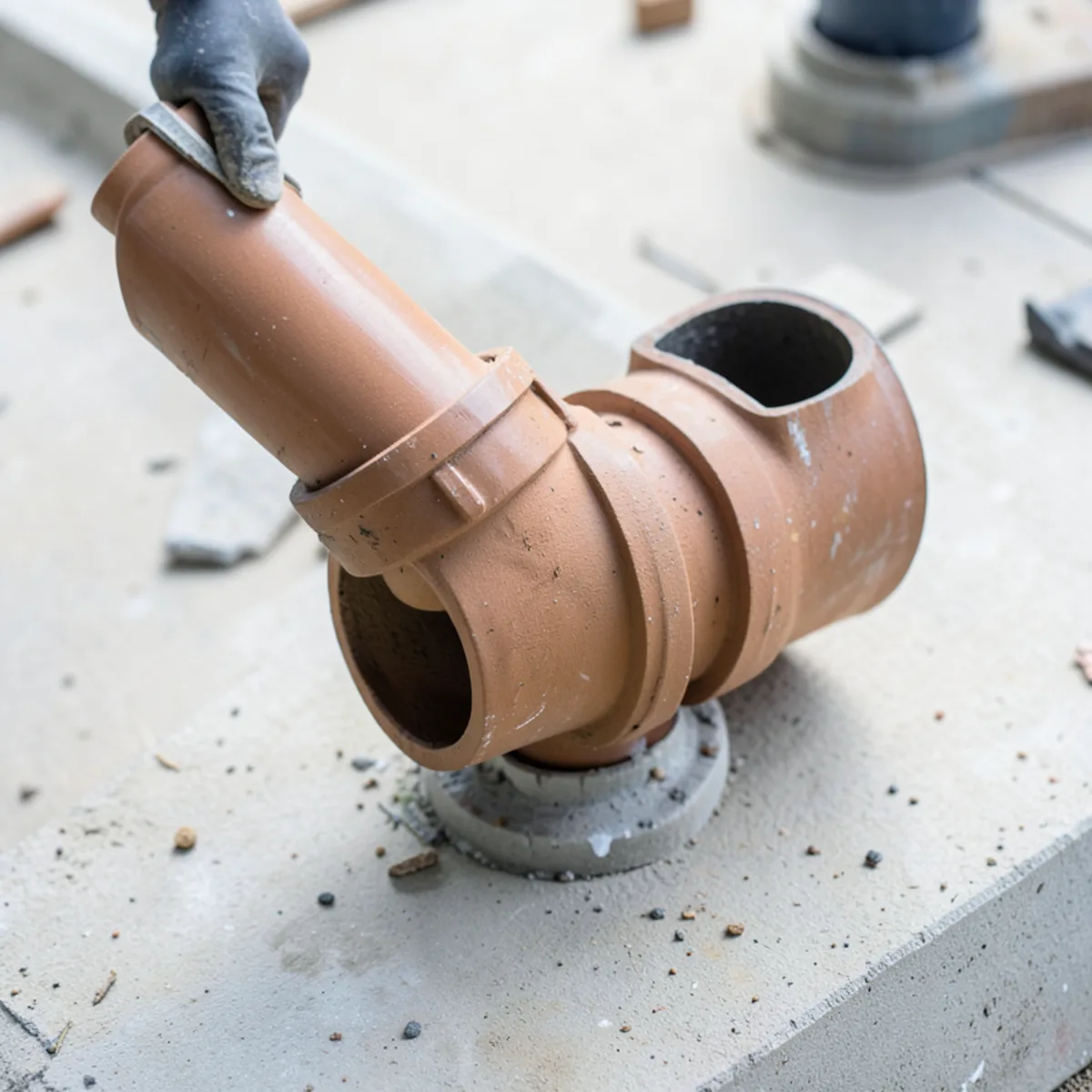
Most residential subdivisions in Westminster were developed between 1955 and 1968. Builders universally installed vitrified clay pipe (VCP) or cast iron laterals to connect homes to the city sewer main. Both materials exhibit specific failure modes after six decades of continuous service in Southern California's coastal environment: • Vitrified Clay Pipe (VCP): Clay pipe is highly resistant to chemical corrosion, but it is physically rigid and brittle. Original installers laid clay laterals in short four-foot segments connected with mortar collars or tar-paper rings. Over decades, expansive clay soils swell during winter rains and contract during summer droughts, fracturing the brittle mortar joints and offsetting pipe sections. Once a joint separates, water escapes and mature tree roots invade the line. • Cast Iron Pipe: Cast iron lines running beneath concrete slabs or through front yards suffer from heavy bottom channeling. Sulfuric acid gas produced by decaying sewage corrodes the bottom of the iron pipe until it rusts through, creating an open trough that washes away supporting soil beneath your foundation slab.
| Defect Type | Severity | Impact on Home Buyer | Repair Method | Typical Cost Range |
|---|---|---|---|---|
| Surface Hairline Root Infiltration | Moderate | Occasional slow drains; annual maintenance required | Hydro jetting + chemical root treatment | $350–$650 |
| Heavy Root Intrusion with Joint Offset | Severe | Frequent backups; structural joint failure | Trenchless CIPP epoxy lining | $3,500–$6,500 |
| Severe Pipe Belly (Sagging Section) | Severe | Chronic standing water and sludge accumulation | Targeted excavation & re-grading | $2,800–$5,500 |
| Crushed or Collapsed Clay Line | Critical | Total sewer shutdown; sewage backups into fixtures | Pipe bursting or trenchless replacement | $4,500–$8,500 |
Tree root intrusion mechanics in mature suburban neighborhoods
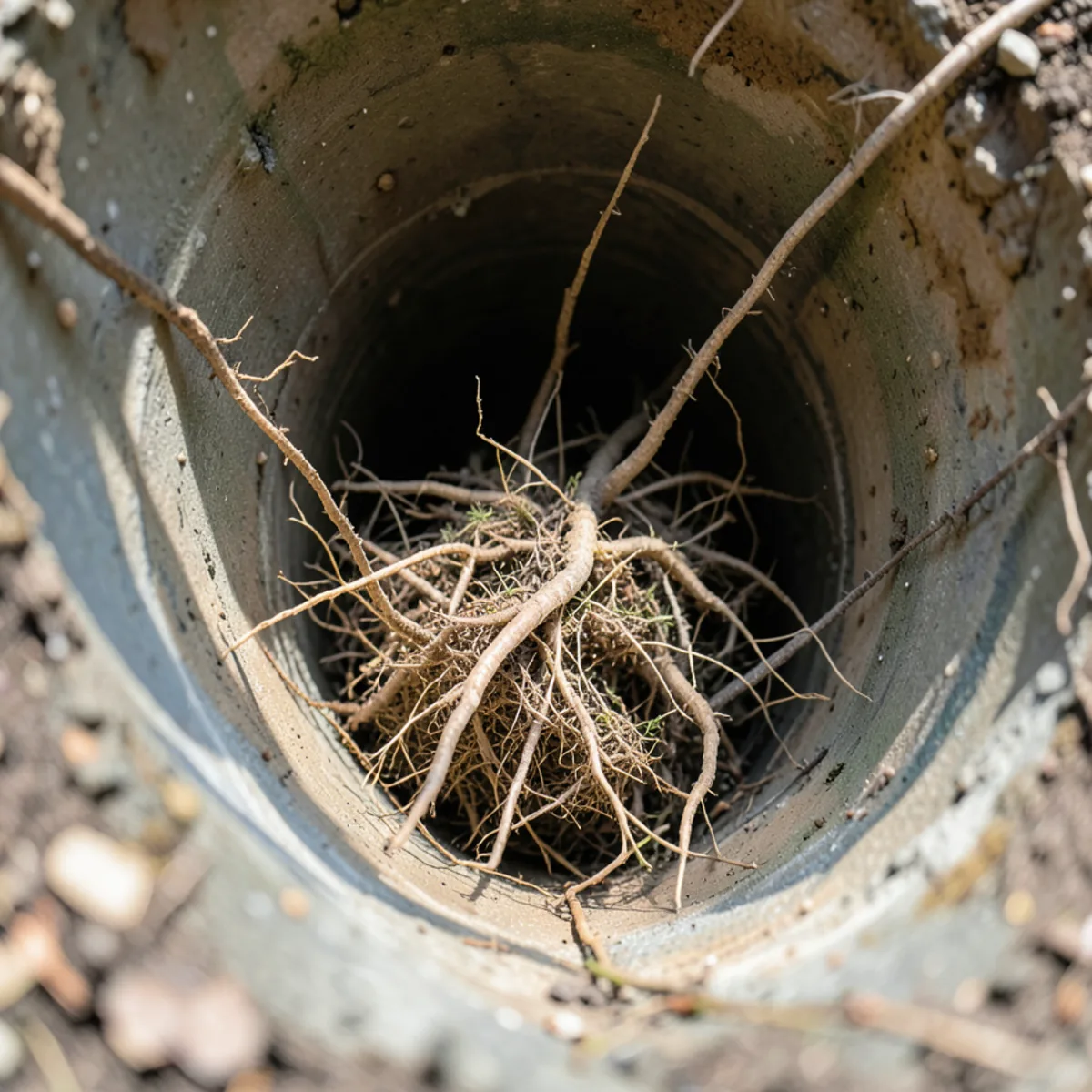
Westminster is celebrated for its lush urban tree canopy, with mature landscape trees like weeping fig (ficus), eucalyptus, sweetgum (liquidambar), and coastal live oak lining residential parkways and front lawns. However, mature tree root systems expand aggressively in search of moisture, spreading up to three times the radius of the tree canopy. Microscopic hairline cracks in aged sewer joints release water vapor and warm nutrient-rich humidity into the surrounding soil. Tree root hair tips detect this moisture gradient and penetrate the seam. Once inside the sewer pipe, roots thrive on wastewater nutrients, rapidly expanding into thick fibrous root clusters that trap toilet paper, grease, and food solids. Eventually, roots fill the entire internal pipe diameter, causing catastrophic whole-house sewage backups that can flood bathtubs and flooring with contaminated wastewater.
Pipe bellies and joint offsets: silent drainage hazards
Beyond tree roots, sewer camera inspections uncover severe structural deformations that mechanical rooters cannot fix: • Low Spots (Pipe Bellies): A pipe belly occurs when supporting soil beneath a sewer line subsides or washes away, causing a section of pipe to sag downward. Because sewer systems operate entirely by gravity flow, water and heavy toilet solids settle in the low belly rather than flowing to the city main. Over time, standing sludge creates chronic recurring clogs. • Displaced Joint Offsets: Seismic tremors along the nearby Newport-Inglewood Fault and seasonal soil settlement cause clay pipe sections to slide out of alignment. An offset occurs when one pipe section drops lower than the adjoining pipe, creating a sharp interior ledge that snags toilet paper and sanitary wipes. • Crushed and Fractured Hubs: Heavy vehicle parking on driveways or heavy hardscaping can crush shallow clay pipes, fracturing pipe bells and allowing soil to collapse directly into the sewer flow.
Our 5-step escrow sewer camera diagnostic workflow
Our certified technicians follow an exacting 5-step diagnostic process tailored specifically for home buyers navigating tight escrow inspection contingencies: 1. Cleanout Access and Line Entry: We locate the primary exterior cleanout, remove the cleanout cap, and insert our high-definition self-leveling color fiber-optic camera. 2. In-Line Video Traversal to City Main: We guide the camera through the lateral all the way to the municipal sewer saddle in the street, recording high-resolution video with onscreen digital footage counters. 3. Defect Identification and Sonde Depth Locating: When a root cluster, crack, or belly is identified, we activate the camera's integrated 512 Hz radio transmitter and use an electromagnetic receiver wand to mark the exact surface spot and depth. 4. Escrow Report and Repair Cost Calculation: We compile an itemized written inspection report detailing pipe condition, material transitions, and exact repair estimates for escrow repair credits. 5. Digital Video Delivery: We provide an unedited high-definition digital video copy via USB drive or secure cloud link for your records and negotiation documentation.
Using camera findings during escrow price negotiations
A sewer camera inspection provides objective, irrefutable photographic evidence that changes the dynamics of real estate purchase negotiations. In California residential real estate transactions, discovering a damaged sewer lateral during your standard inspection contingency period allows you to negotiate effectively with the seller. Armed with our official written diagnostic report and digital video footage, home buyers commonly achieve three favorable outcomes: 1. Seller Financial Credit in Escrow: The seller credits the full estimated cost of the sewer repair (often $4,000 to $8,000) toward your closing costs. 2. Escrow Price Reduction: The seller reduces the purchase price of the home by the exact amount required to rehabilitate the sewer line. 3. Pre-Closing Professional Repair: The seller pays a licensed C-36 contractor to complete a trenchless CIPP lining or pipe replacement before escrow closes, verified by a passing municipal permit.
Related services & neighborhood service areas
Explore services and service areas directly related to this guide.
Related Plumbing Services
Need professional plumbing diagnosis in Westminster?
Call (207) 419-2600. Direct technician dispatch from Willow Lane. Upfront estimates, no hidden fees.