The business owner's guide to annual backflow testing in Westminster
Operating a commercial business in Westminster requires managing essential municipal utilities and complying with stringent public health and sanitation safety mandates. Maintaining code-compliant plumbing safeguards your commercial enterprise and protects the community. Among the most critical yet frequently misunderstood regulatory requirements is annual backflow testing. Mandated under California law and the City of Westminster Water Division, backflow assemblies safeguard the municipal drinking water supply from hazardous contamination. Operating from our Willow Lane shop, our certified cross-connection specialists explain how backflow devices work, why testing is required, and how to maintain compliance.
Understanding backflow: the physics of back-siphonage and backpressure
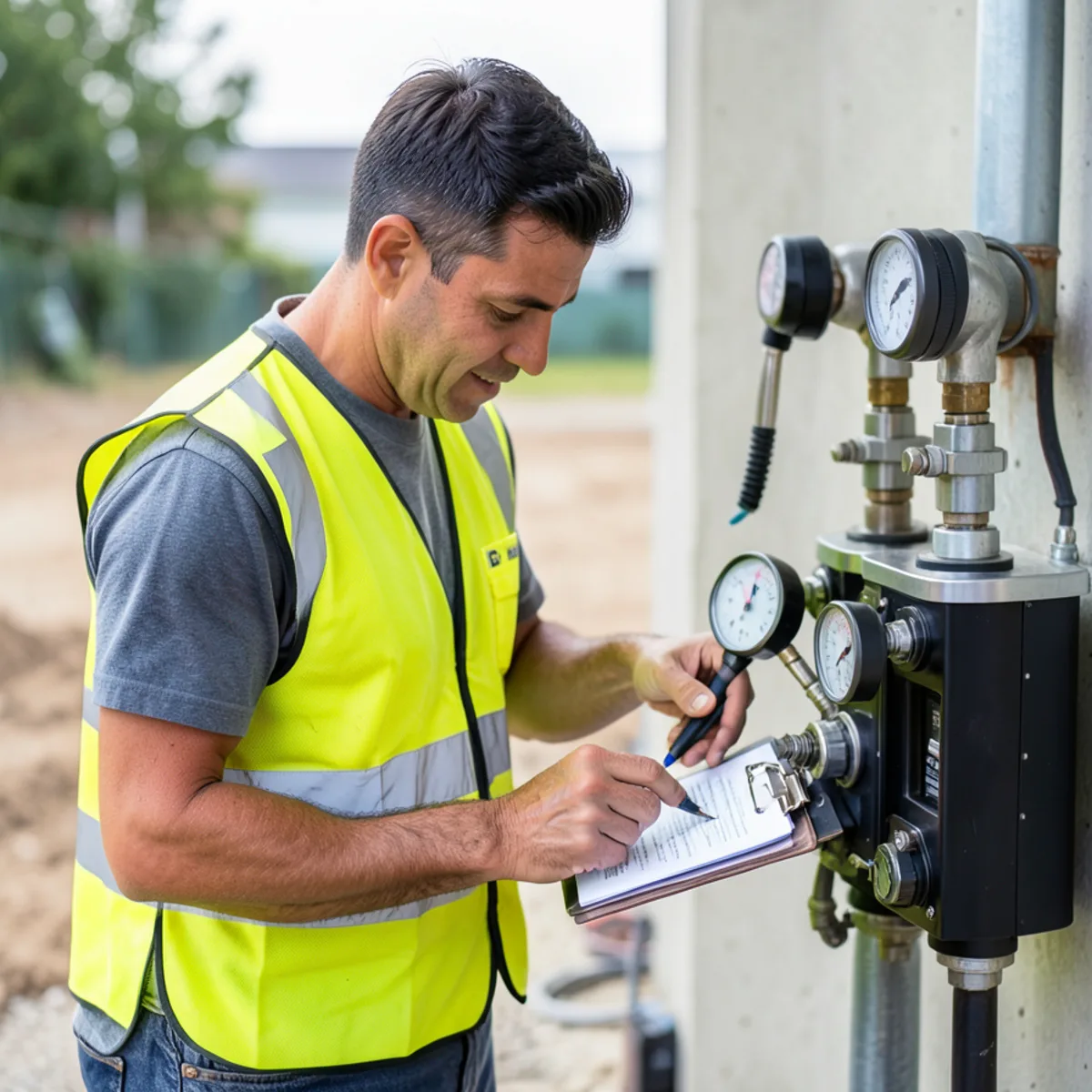
Under normal operating conditions, treated drinking water flows under positive pressure from municipal water mains into commercial plumbing systems. However, unexpected hydraulic fluctuations within the distribution network can reverse this flow direction—a dangerous condition known as backflow. Backflow occurs through two distinct physical mechanisms: 1. Back-Siphonage: Occurs when a sudden pressure drop in the municipal main creates negative pressure or a vacuum within the water supply piping. This vacuum siphons standing water from private commercial plumbing back into the public drinking water main. Common triggers include high-volume municipal water main breaks, scheduled line flushing, or emergency fire department pump draws during structure fires. 2. Backpressure: Occurs when a commercial downstream plumbing system operates at a higher pressure than the incoming municipal supply line. Pressure-generating equipment—such as commercial steam boilers, recirculating cooling towers, chemical injection pumps, or hydro-pneumatic booster systems—can overpower municipal pressure, forcing non-potable commercial fluids backward into the public drinking supply.
California Administrative Code Title 17 and City of Westminster mandates
Backflow prevention is not optional; it is a strict legal requirement enforced under the Safe Drinking Water Act at federal, state, and municipal levels. Water purveyors carry legal responsibility to shut off service to non-compliant properties to prevent biological pathogens or toxic chemicals from entering the public water supply. Under California Administrative Code (Title 17, Public Health, Sections 7583–7605), all public water systems are mandated to protect the municipal drinking water supply from cross-connection contamination. The state establishes strict legal accountability for commercial property owners to ensure their private mechanical systems cannot contaminate the municipal distribution grid under any hydraulic circumstance. In Westminster, this mandate is administered by the City of Westminster Water Division and the Orange County Health Care Agency. Local regulations require every commercial enterprise, industrial facility, multi-family residential building, and dedicated landscape irrigation meter equipped with a backflow prevention assembly to undergo certified physical testing once every 12 months. Certified test reports must be signed by an approved tester and filed with the City of Westminster Water Division before the annual compliance deadline.
| Assembly Type | Hazard Level | Protection Mechanism | Common Applications | City Mandate |
|---|---|---|---|---|
| Reduced Pressure Principle (RP/RPZ) | High Hazard (Toxic / Chemical) | Dual checks + atmospheric differential relief valve | Restaurants, medical suites, auto care, cooling towers | Mandatory annual certified test |
| Double Check Valve (DC/DCDA) | Low Hazard (Non-Toxic) | Dual independent spring-loaded check valves | Dedicated fire sprinkler supply lines, domestic mains | Mandatory annual certified test |
| Pressure Vacuum Breaker (PVB) | Low/Medium (Back-siphonage only) | Spring check + air inlet vacuum breaker | Commercial landscape irrigation, parkway sprinklers | Mandatory annual certified test |
Types of commercial backflow prevention assemblies and applications
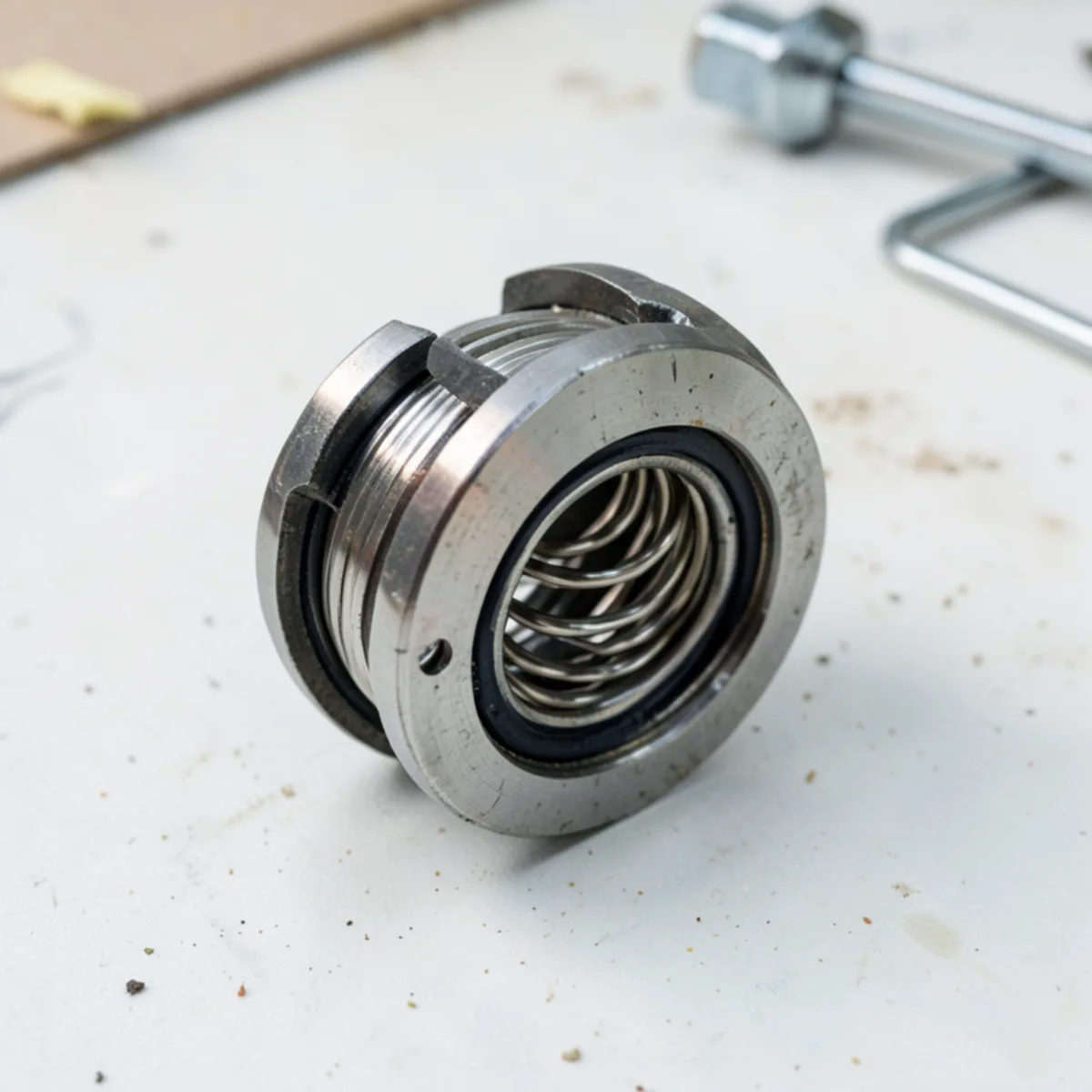
Different commercial facilities require specific backflow assembly designs depending on the degree of hazard posed to public drinking water: • Reduced Pressure Principle (RP / RPZ) Assemblies: Engineered for high-hazard commercial applications where cross-connection could introduce toxic chemicals, biological pathogens, or carcinogenic waste into the drinking supply. RP assemblies consist of two independent spring-loaded check valves separated by an automatic hydraulically operated differential relief valve that vents to the atmosphere if internal seals fail. Required for restaurants, dental offices, dry cleaners, automotive repair shops, and commercial boilers. • Double Check Valve Assemblies (DC / DCDA): Designed for low-to-medium hazard applications where backflow would cause an aesthetic nuisance or non-toxic contamination. DC assemblies contain two independent check valves without an atmospheric relief valve. Commonly installed on commercial dedicated fire sprinkler lines and multi-story domestic booster pumps. • Pressure Vacuum Breaker (PVB) Assemblies: Engineered strictly to protect against back-siphonage in continuous-pressure applications. PVBs include an independently operating spring-loaded check valve and an air inlet valve that opens to break vacuums. Commonly installed on commercial landscape irrigation mains and exterior parkway sprinkler systems.
Our certified 5-valve differential pressure testing procedure
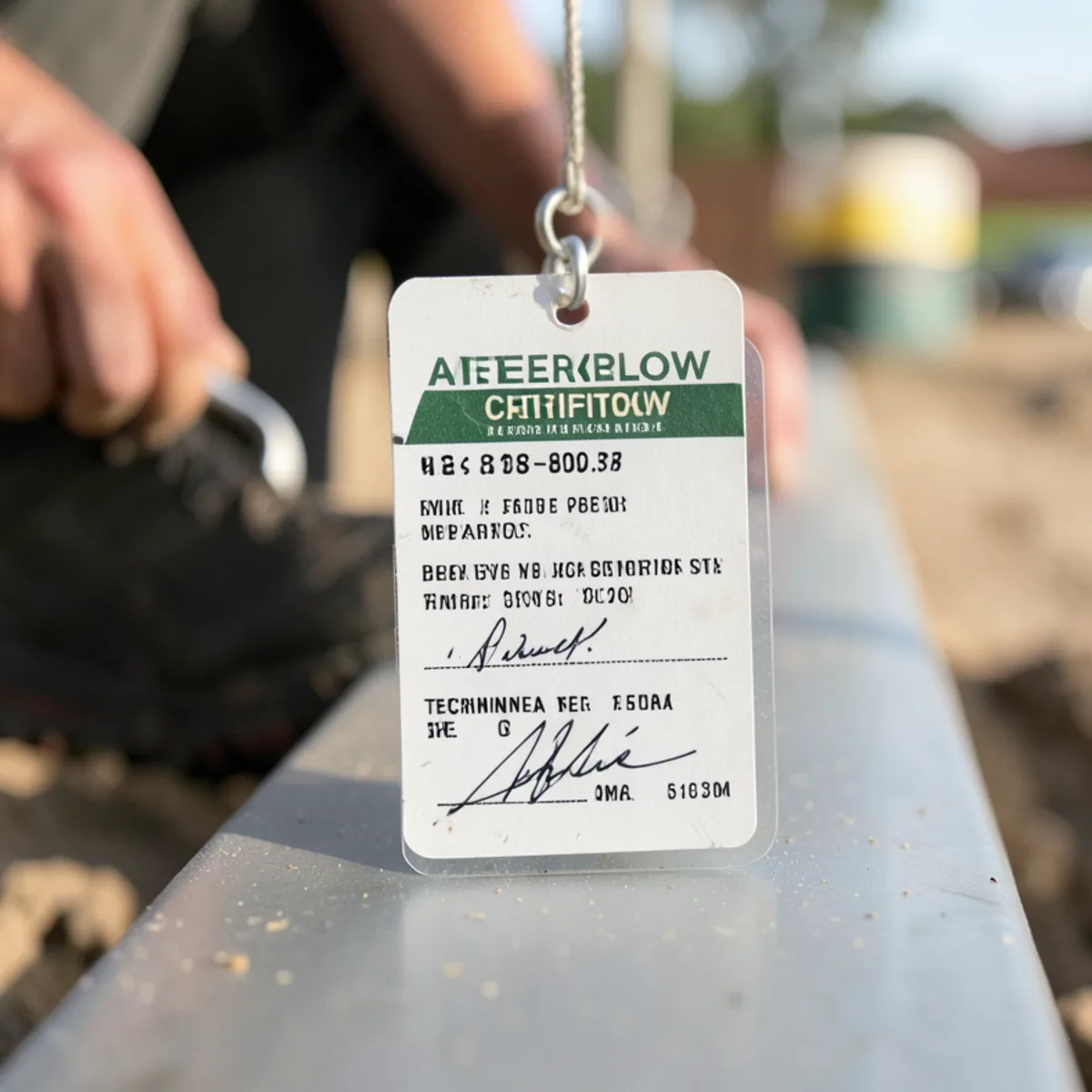
Backflow testing requires specialized technical training, state certification, and calibrated differential pressure instrumentation. Our AWWA-certified testers arrive with NIST-traceable testing manifolds to conduct rigorous physical tests on each mechanical valve stage: Our AWWA-certified testers execute a standardized 5-step testing sequence: 1. Device Inspection and Notification: We verify device clearances, inspect test cocks for corrosion, and coordinate a brief 10-to-15-minute water shutoff window with business management. 2. Testing Manifold Connection: We attach our five-valve digital differential pressure gauge manifold to the four test cocks located on the backflow body, purging air from the test lines. 3. Differential Pressure Verification: We test the opening point of the differential relief valve on RP assemblies, verifying that it discharges to atmosphere at or above the mandatory minimum of 2.0 PSID (pounds per square inch differential). 4. Check Valve Tightness Testing: We test each independent check valve under simulated backpressure and back-siphonage conditions, confirming that internal rubber check discs seal 100% tight. 5. Official Certification Tagging and City Filing: We affix an official weather-resistant certification tag to the assembly, complete the City of Westminster Water Division compliance forms, and transmit the official digital test report to the water department.
What happens if a backflow preventer fails testing: rebuilds and repairs
Because backflow preventers contain moving mechanical parts, stainless steel springs, and precision rubber diaphragms, components naturally degrade over time. In Westminster, tap water hardness (14 to 20 grains per gallon) accelerates mineral scaling along internal valve seats, preventing check discs from seating tightly. If an assembly fails testing, our service trucks carry factory-original OEM rebuild kits for all major brands, including Wilkins (Zurn), Febco, Ames, and Watts. Our technicians disassemble the valve body, clean calcified mineral deposits, replace worn rubber check discs, diaphragms, and springs, and immediately re-test the unit to achieve a passing certification during the same service visit.
Consequences of non-compliance: avoiding municipal water shutoff notices
Property owners who neglect their annual backflow testing notices face escalating municipal enforcement actions. The City of Westminster Water Division issues automated compliance notices 30 to 60 days before the annual deadline. If an official passing test report is not submitted by the deadline, the city issues a formal Notice of Violation with escalating administrative fines. Continued failure to comply results in a final 48-Hour Termination Notice, followed by physical termination of municipal water service to protect the public water supply. Having your business water service disconnected causes severe operational disruption, immediate revenue loss, and requires substantial municipal reconnection fees before service can be legally restored. Furthermore, insurance carriers may suspend commercial liability coverage for facilities operating with delinquent backflow testing records. Partnering with our Willow Lane team provides automated annual reminders and guaranteed compliance filing, ensuring your business stays operating smoothly.
Related services & neighborhood service areas
Explore services and service areas directly related to this guide.
Related Plumbing Services
Need professional plumbing diagnosis in Westminster?
Call (207) 419-2600. Direct technician dispatch from Willow Lane. Upfront estimates, no hidden fees.